
Drones have already transformed industries like photography, agriculture, and logistics. But now, a new technology is taking drones to the next level — Artificial Intelligence (AI). With AI, drones are no longer just remote-controlled flying machines. They are becoming smart, autonomous systems that can analyze data, make decisions, and perform tasks with minimal human input.
In this blog, we will explore how AI is shaping the future of drones, the key roles it plays, real-world applications, and what lies ahead for next-generation drones.What Does AI in Drones Mean?
Artificial Intelligence allows drones to “think” and “learn” from the data they collect. Unlike traditional drones that rely entirely on human control, AI-powered drones can:
- Recognize objects and people
- Navigate around obstacles
- Analyze images and videos in real time
- Optimize flight paths automatically
- Make independent decisions based on data
Key Roles of AI in Next-Generation Drones:

1. Autonomous Navigation:-
1. Autonomous Navigation:-
Autonomous navigation enables drones to fly and make decisions without constant manual control from a pilot. With the help of AI, drones can understand their surroundings and plan safe flight paths on their own, reducing the need for human intervention and increasing operational efficiency.
AI-powered drones use technologies such as computer vision, GPS, and advanced sensors to detect obstacles, analyze terrain, and map their environment in real time. These systems allow drones to adjust their routes automatically and avoid collisions, even in complex or changing conditions.
2. Object Detection and Recognition
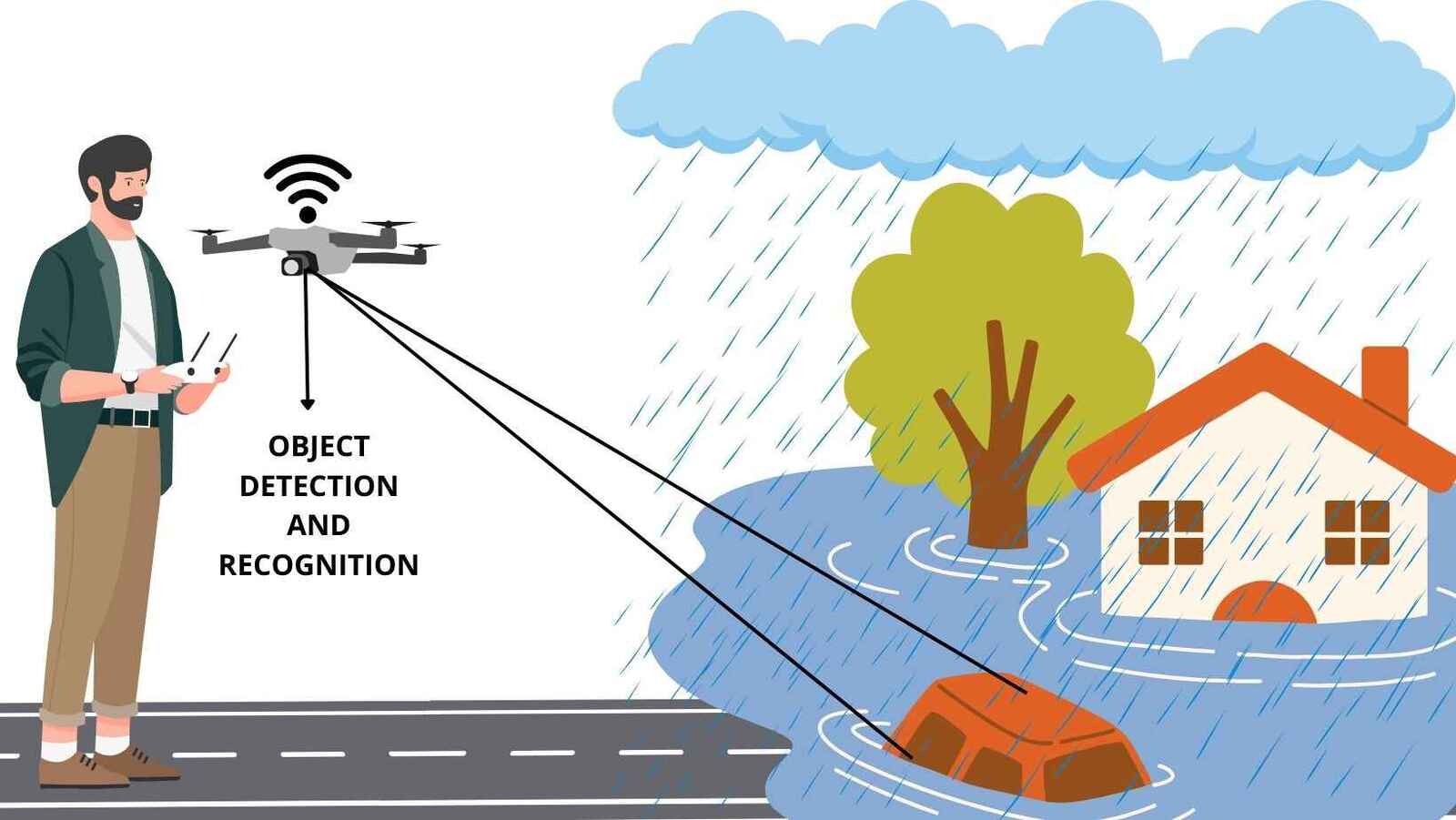
2. Object Detection and Recognition
Object detection and recognition allow AI-powered drones to identify and understand different objects within their field of view, such as vehicles, crops, people, or damaged infrastructure. This advanced capability helps drones go beyond simple image capturing and enables them to interpret visual data in real time.
By using machine learning algorithms and computer vision, AI drones can accurately detect, classify, and track objects while flying. This makes them highly effective in critical applications like search and rescue operations, where identifying people quickly can save lives, as well as in traffic monitoring and security surveillance.
3. Real-Time Data Analysis
Traditional drones mainly capture images and videos, but analyzing this data usually requires time and manual effort from humans. AI-powered drones change this process by analyzing information instantly while the drone is still in the air, allowing faster and more informed decision-making.
With the help of AI algorithms, drones can process large amounts of visual and sensor data in real time. This enables them to detect patterns, identify issues, and generate insights without waiting for post-flight analysis, saving both time and resources.
For example, in agriculture, AI-enabled drones can immediately identify areas of a field that need more water, fertilizer, or pest control. This real-time analysis helps farmers take quick action, improve crop health, and increase overall productivity.

4. Predictive Maintenance
4. Predictive Maintenance
Predictive maintenance uses AI to continuously monitor a drone’s hardware performance, including battery health, motor efficiency, and operating temperature. By collecting and analyzing this data, AI can detect early signs of wear or malfunction before they become serious problems.
Through advanced algorithms, AI can predict potential failures and alert operators in advance, allowing timely maintenance or part replacement. This proactive approach helps prevent unexpected breakdowns and ensures smoother drone operations.
By reducing the risk of mid-air failures and crashes, predictive maintenance improves overall safety, extends the lifespan of drone components, and increases the reliability of drones in both commercial and industrial applications.
5. Swarm Intelligence
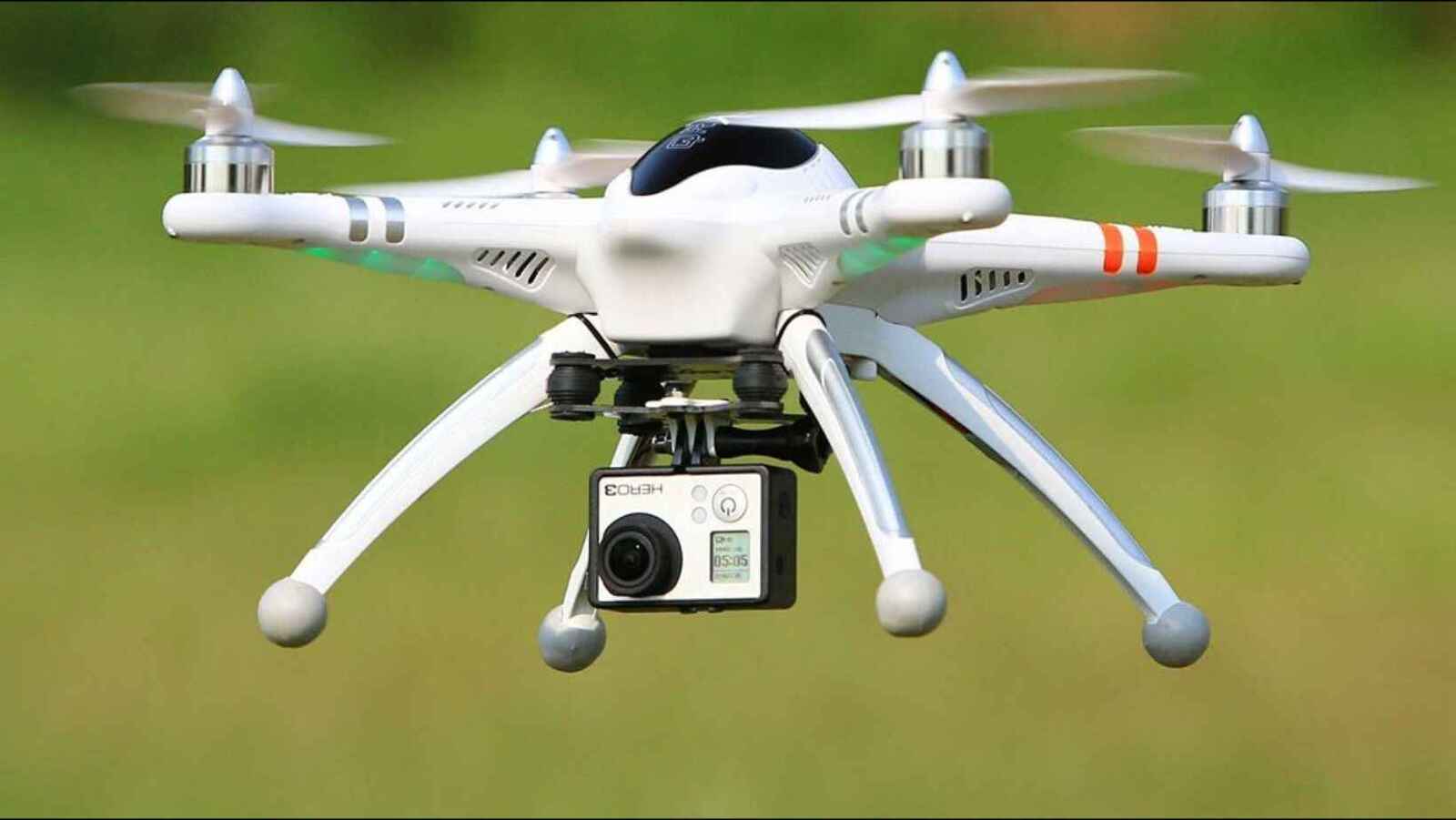
Swarm intelligence allows multiple drones to work together as a coordinated team rather than operating individually. With the help of AI, drones can communicate with each other, share data, and make collective decisions while flying, ensuring smooth and synchronized movements.
AI algorithms enable drones in a swarm to maintain safe distances, avoid collisions, and adapt their paths in real time based on the actions of nearby drones. This coordination makes swarm operations highly efficient and reliable, even in complex or dynamic environments.
Swarm intelligence is especially valuable for large-scale applications such as military operations, wide-area mapping, disaster response, and search missions. By covering more ground in less time, drone swarms can complete tasks faster and with greater accuracy than a single drone.

6. Enhanced Flight Safety
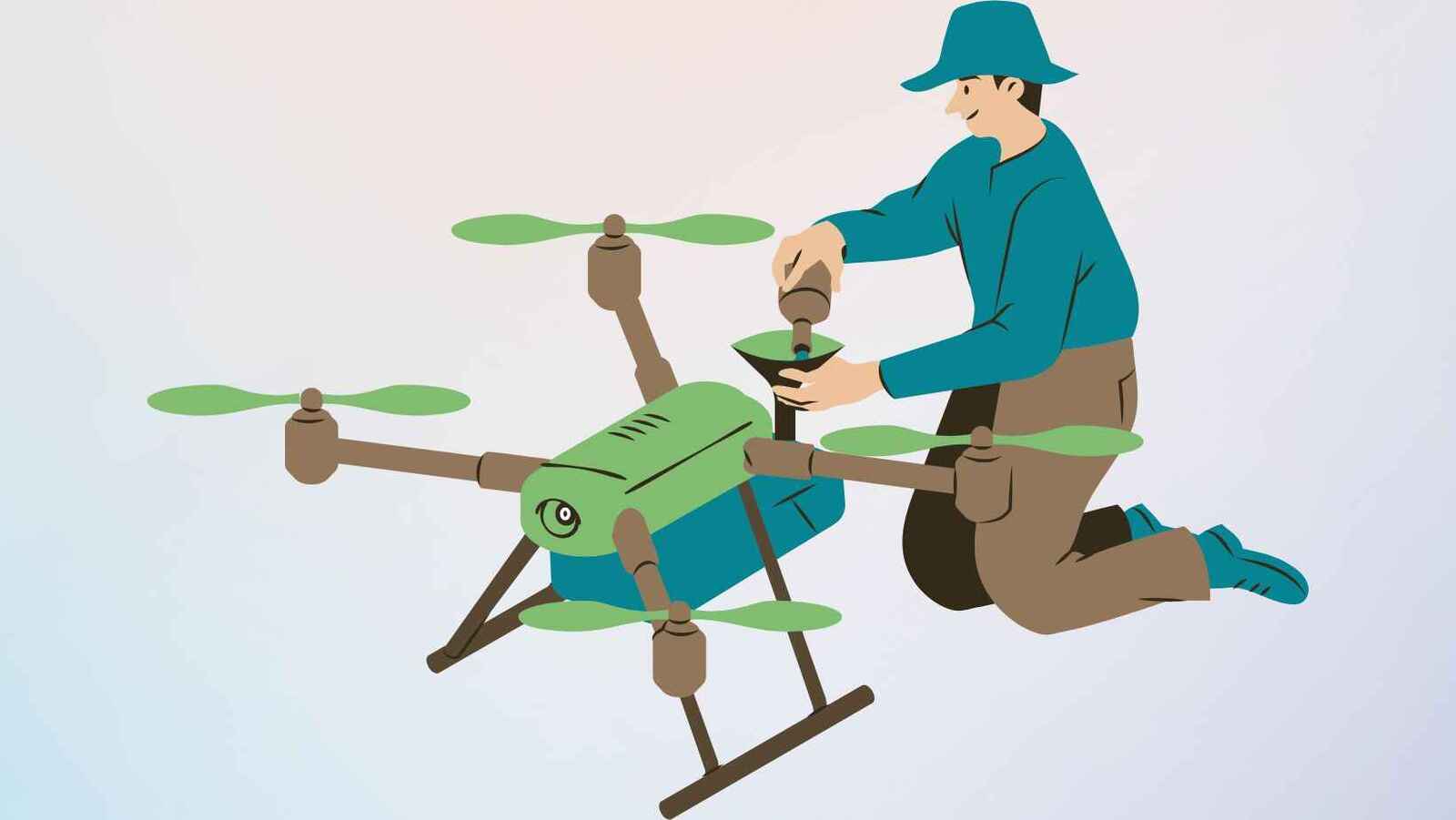
Enhanced flight safety is one of the most important benefits of using AI in drones. AI systems continuously monitor the drone’s surroundings using sensors, cameras, and real-time data, helping the drone understand potential risks during flight.
By analyzing this information instantly, AI can automatically adjust the drone’s flight path to avoid obstacles such as birds, buildings, or other drones. These quick reactions reduce the chances of collisions, even in crowded or unpredictable environments.
This intelligent safety system allows drones to fly more confidently and reliably, making them suitable for complex operations while minimizing accidents and ensuring safer aerial missions.
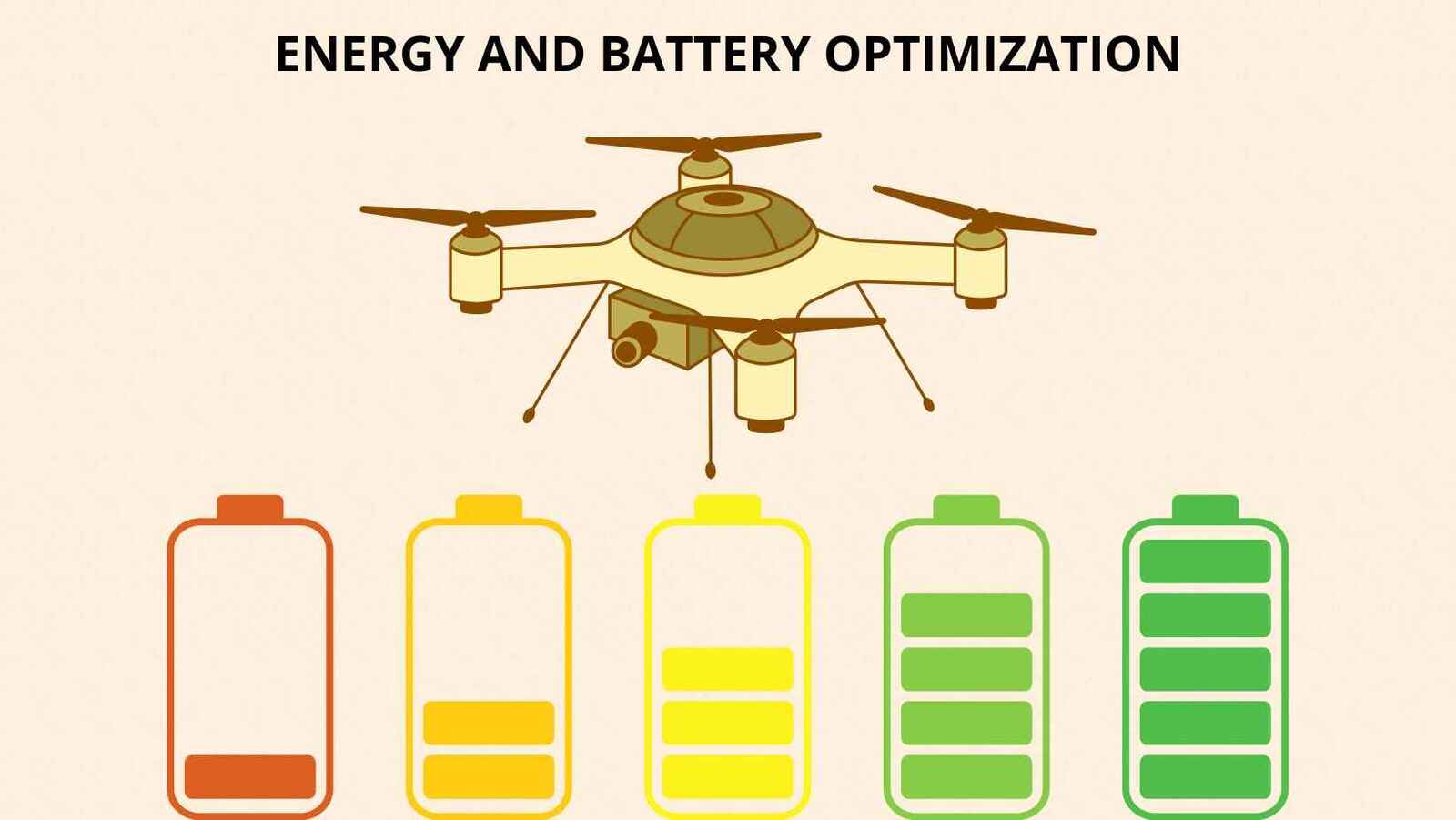
7. Energy and Battery Optimization
Flight time is one of the biggest challenges faced by drones, especially during long or complex missions. AI helps overcome this limitation by intelligently managing energy consumption throughout the flight, ensuring that power is used in the most efficient way possible.
By analyzing flight conditions, payload weight, wind patterns, and route distance, AI can plan the most efficient flight paths and reduce unnecessary movements. This smart planning minimizes energy waste and allows the drone to complete tasks using less battery power.
As a result, AI-powered energy optimization leads to longer flight times, improved mission efficiency, and reduced need for frequent battery changes, making drone operations more reliable and cost-effective.
Real-World Applications of AI in Drones:-
1. Agriculture
AI drones can identify crop diseases, monitor plant growth, and even spray fertilizers more accurately. Farmers save time, resources, and money while increasing productivity.
2. Surveillance and Security
Security companies and law enforcement agencies use AI drones for monitoring large areas. They can detect unusual activities, recognize license plates, or track moving targets without human intervention.
3. Disaster Management and Search & Rescue
3. Disaster Management and Search & Rescue
In the aftermath of earthquakes, floods, or wildfires, AI drones can quickly scan affected areas, identify survivors, and map safe routes for rescue teams. AI helps reduce response time and saves lives.
4. Delivery Services
Companies like Amazon and UPS are testing AI-powered delivery drones. AI helps drones avoid obstacles, select safe landing spots, and optimize delivery routes, making same-day delivery more practical.
5. Construction and Infrastructure
5. Construction and Infrastructure
AI drones can inspect bridges, buildings, and power lines with high accuracy. They can detect cracks, corrosion, or other structural issues that humans might miss, ensuring safety and reducing maintenance costs.
6. Military and Defense
6. Military and Defense
In defense, AI drones are used for surveillance, target recognition, and even swarm operations. They reduce risks to soldiers and provide accurate battlefield information.
7. Environmental Monitoring
7. Environmental Monitoring
AI drones are helping scientists track wildlife, monitor deforestation, and study climate change. They can collect real-time environmental data in areas that are difficult or dangerous for humans to reach.
Benefits of AI in Next-Generation Drones:-
Benefits of AI in Next-Generation Drones:-
- Efficiency: AI reduces the need for human control and speeds up data analysis.
- Cost Savings: Automated drones lower labor costs in industries like farming and construction.
- Accuracy: AI can detect issues that humans might overlook, ensuring better decision-making.
- Scalability: Swarm intelligence allows many drones to work together on large-scale tasks.
- Safety: AI-powered obstacle avoidance reduces accidents and equipment loss.
Challenges of AI in Drones:-
Challenges of AI in Drones:-
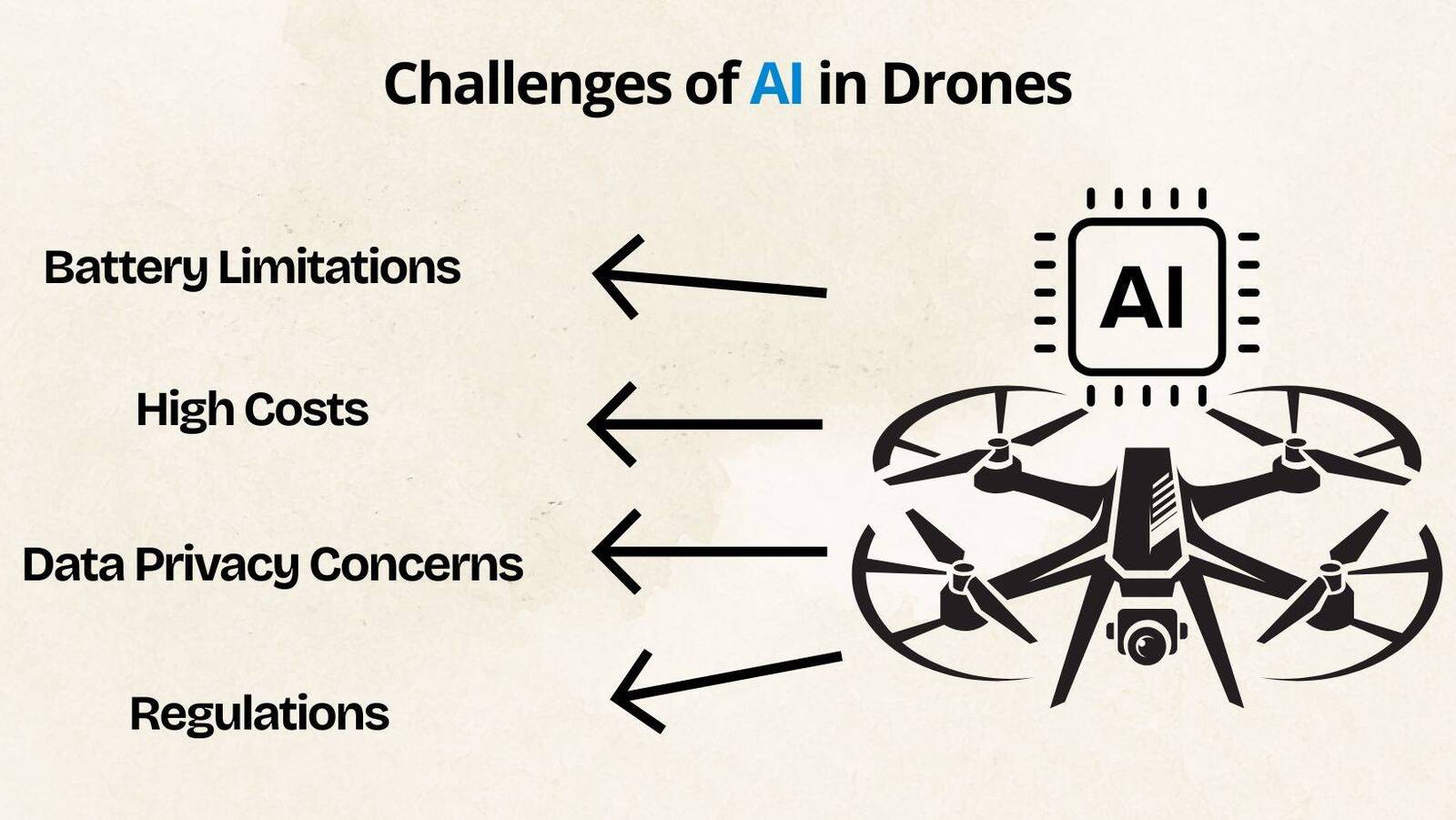
While AI offers huge advantages, there are also challenges to overcome:
- Battery Limitations: AI processing consumes power, reducing flight time.
- High Costs: AI-enabled drones are more expensive than traditional models.
- Data Privacy Concerns: Surveillance drones raise privacy issues in public spaces.
- Regulations: Drone laws are still catching up with rapid AI advancements.
The Future of AI in Drones
The Future of AI in Drones
The future looks exciting as AI continues to advance. We can expect:
- Longer flight times with better battery management
- Smarter swarms working in agriculture, defense, and disaster relief
- AI-enabled delivery becoming a normal part of daily life
- Drones becoming key tools in smart cities, helping with traffic, security, and environmental monitoring
As hardware improves and AI becomes more efficient, drones will play an even bigger role in industries and everyday life.

Conclusion
Conclusion
Artificial Intelligence is not just an upgrade for drones — it is a revolution. With AI, drones can see, analyze, and act independently, making them useful in agriculture, defense, disaster management, surveillance, delivery, and more.
While challenges like cost, regulation, and battery life still exist, the opportunities are endless. The role of AI in next-generation drones is clear: it will make them smarter, safer, and more powerful than ever before.
For anyone interested in drone technology, keeping an eye on AI advancements is essential, because the future of drones is not just about flying — it’s about thinking.