
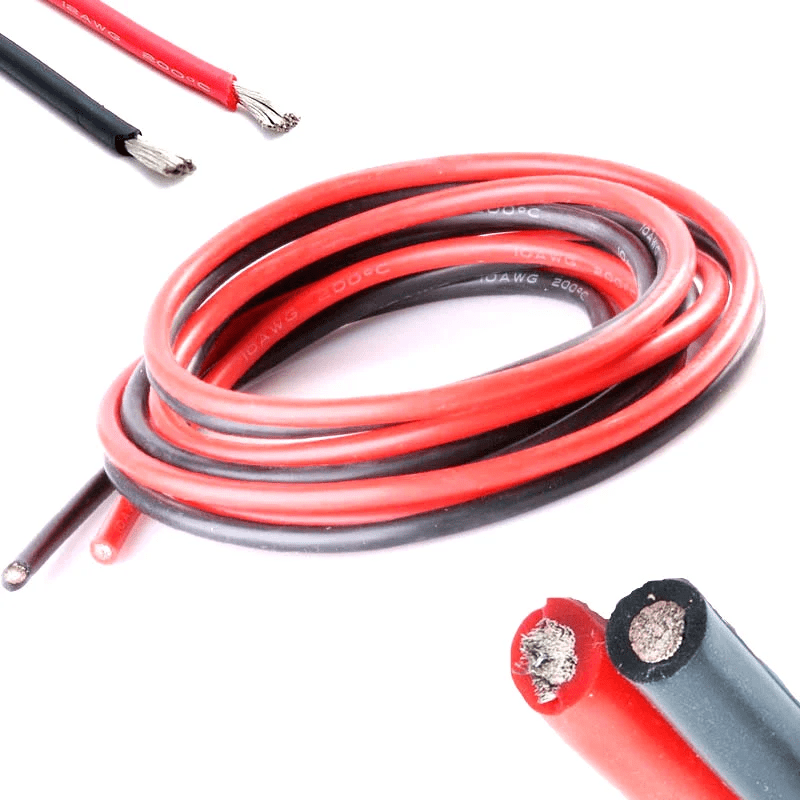
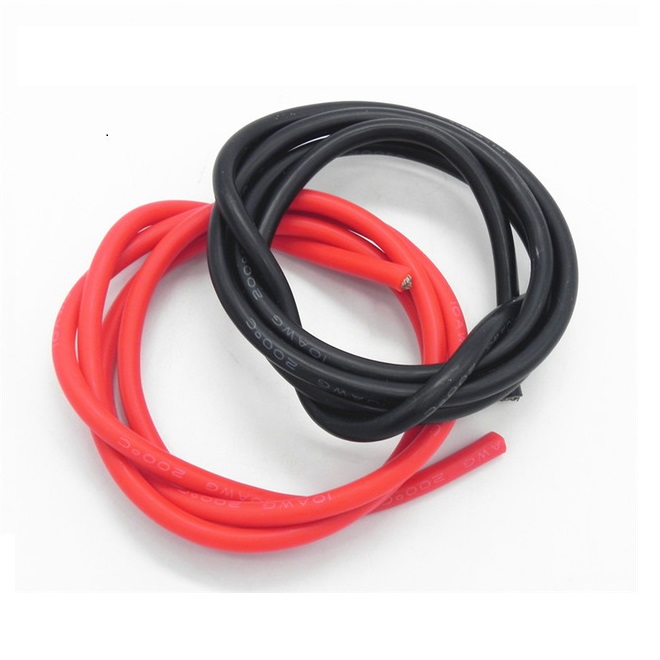
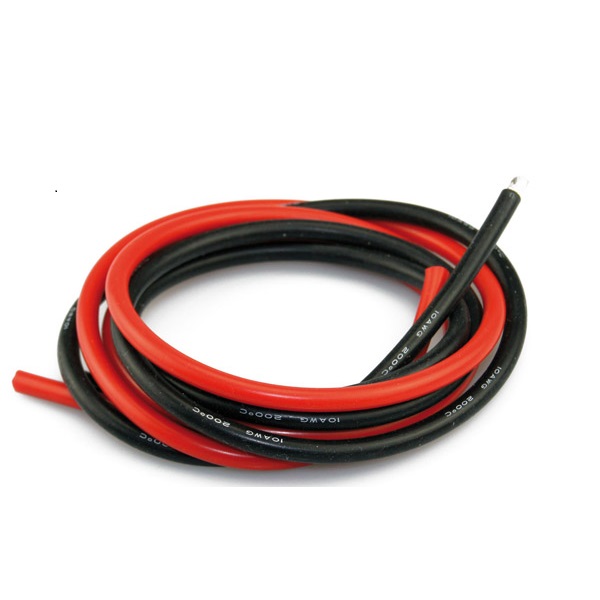
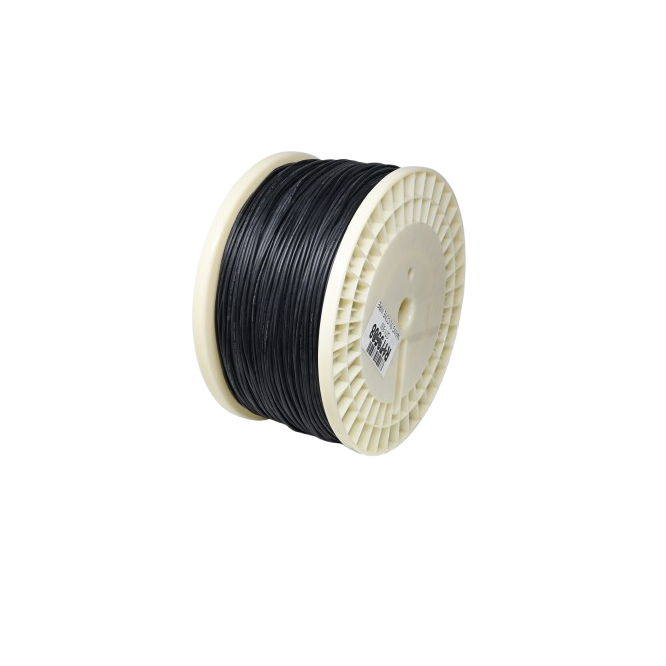
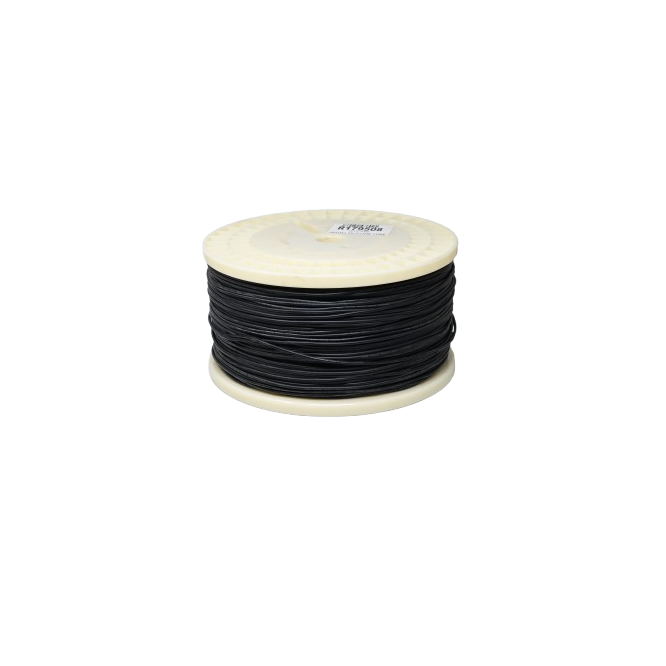
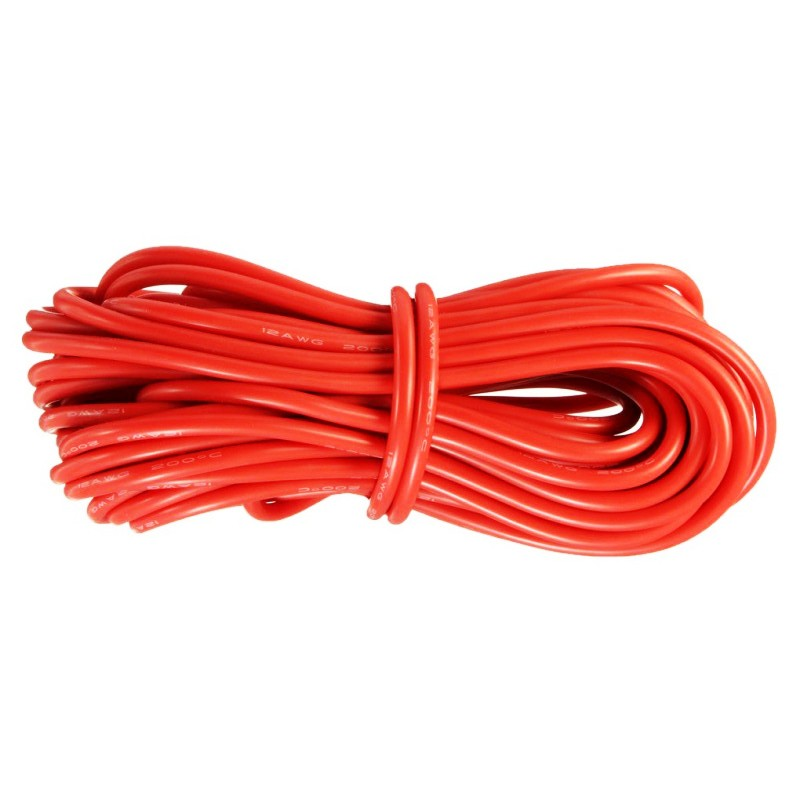
AMASS 10AWG Ultra Flexible Silicone Wire - High-Current Tinned Copper Power Cable (Red/Black)
In the 2026 industrial UAV landscape, 10AWG has become the critical link for high-voltage systems. AMASS has optimized this cable with over 1,000 individual micro-strands, creating a wire that feels like "rope" rather than stiff copper. This flexibility prevents mechanical stress on solder joints—a common cause of mid-flight failures in high-vibration environments.
Key Technical Advantages:
Graphene-Level Conductivity: By using high-purity tinned copper, the wire resists oxidation and corrosion, ensuring that your resistance stays low even after years of exposure to the humid environments typical of Indian agricultural spraying.
Extreme Thermal Range: The high-grade silicone jacket is rated from -60°C to +200°C. It will not melt or become brittle, even when soldered at high temperatures or used in the 45°C+ heat of an Indian summer.
Ultra-High Strand Count: With ~1,050 strands of 0.08mm copper, this wire offers a massive surface area, which helps dissipate heat more effectively than standard automotive-grade wiring.
Chemical & Abrasion Resistance: The insulation is formulated to resist the corrosive effects of common agricultural pesticides and fertilizers, making it the ideal choice for "sprayer" drone fleets.
Zero-Memory Flexibility: Easily snakes around flight controllers and through carbon fiber tubes without "springing back," allowing for much cleaner and safer wire management.
Top 5 Questions on AMASS 10AWG Wire
Q1: Why should I use 10AWG instead of the more common 12AWG?A: If your drone draws more than 60A continuously or you are using a 12S (44.4V+) system, 12AWG may get uncomfortably hot. 10AWG has lower resistance, leading to less voltage drop and significantly less heat buildup, which increases overall flight efficiency.
Q2: Is this wire "Tinned Copper" or "Pure Copper"?A: It is Tinned Copper. This is superior for drone use because the tin coating prevents the copper from oxidizing (turning green) when exposed to moisture or during the high-heat soldering process.
Q3: Can I use 10AWG with an XT60 connector?A: Technically, yes, but it is a very tight fit for the solder cups. 10AWG is ideally paired with XT90, XT120, or AS150 connectors, which are designed to handle the thickness and high current of 10-gauge wire.
Q4: How do I calculate how much wire I need?A: Always measure the distance between your battery and PDB/ESC and add 15% for "slack." For a standard 16L agriculture drone, pilots typically order 2 meters (1m Red / 1m Black) to cover all main power leads.
Q5: Is this wire flame retardant?A: Yes. High-grade silicone insulation is naturally flame-retardant and will not support combustion, providing an extra layer of safety in the event of an electrical short.
Expert Guide Question: Are you using this for a main battery discharge lead or for ESC-to-motor wiring? Depending on the length of your wire run, I can help you determine if you'll need to step up to 8AWG to prevent voltage ripple on heavy-lift builds!